ADL Solutions, direct Broda Seating reseller. Published .
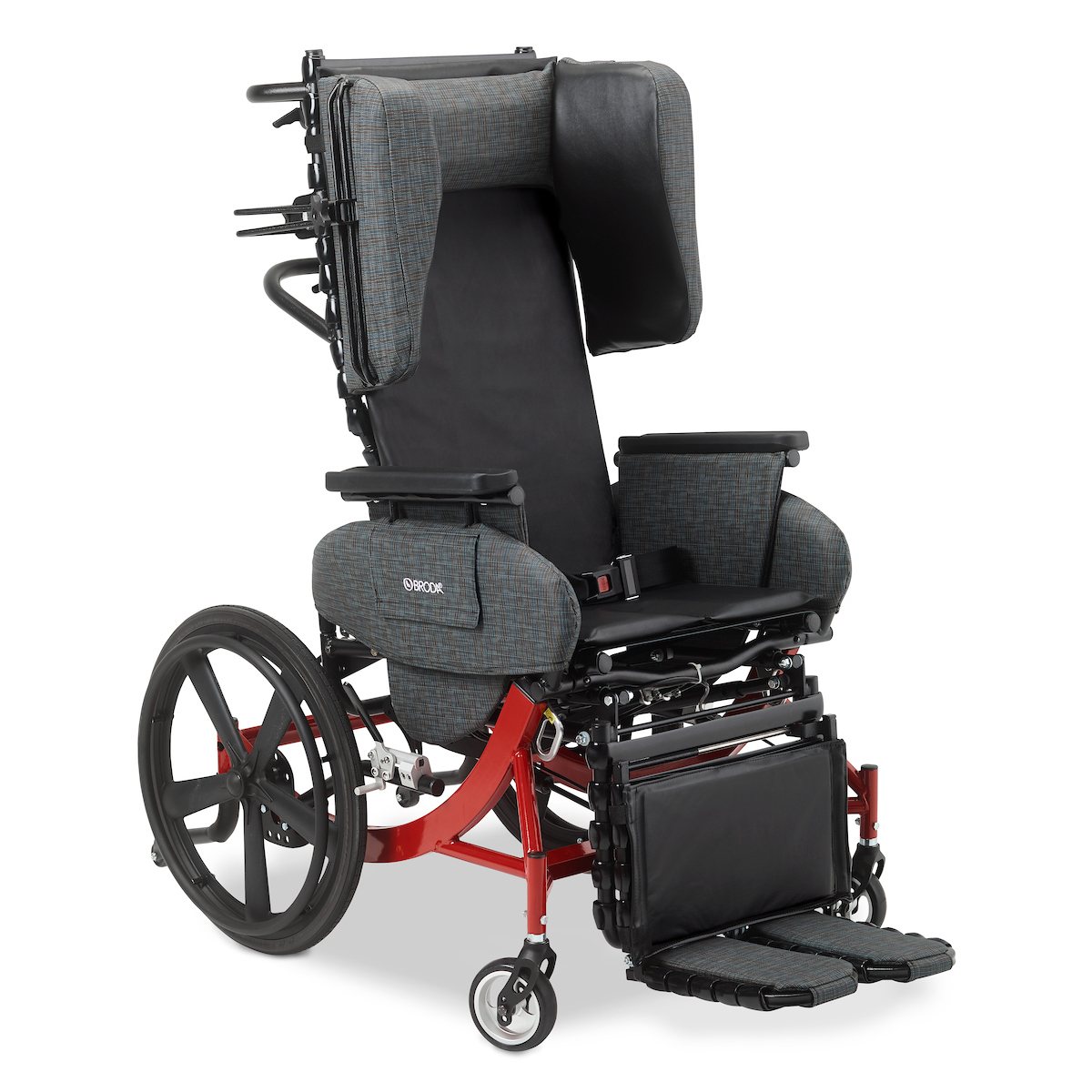
Broda Synthesis Positioning Wheelchair with Tilt & Recline (V4)
What matters in a chair for diabetes
Skin that may not feel pressure
Diabetes can dull feeling in the legs and seat (this is called neuropathy), so your father may not notice when one spot has been pressed too long. Sores that do start can be slow to close. That makes the seat surface important. Broda's Comfort Tension Seating is a set of tensioned straps that Broda designs to spread weight and let air through, without the sag of a standard sling seat.
Easier transfers on tired days
Fatigue is common with diabetes, and a hard transfer can use up the energy your father needed for the afternoon. Look for arms and leg rests that swing aside, plus a seat height that lines up with his bed. A chair that reclines flat lets a caregiver slide him across on a board without him having to sit up first.
Staying active, sized right
Some people with diabetes still have the strength to move their own chair. A pedal chair keeps the seat low enough for the feet to push along the floor. If foot sores or numbness are a concern, ask his care team before choosing a chair that is moved with the feet. Body size matters too: most Broda chairs are rated to 250 or 350 pounds, and the bariatric Vanguard goes to 600.
Broda chairs to consider for diabetes
Prices are Broda's MSRP for the base chair. Size, options and accessories change the final price.
Broda Synthesis Positioning Wheelchair with Tilt & Recline (V4)
From $4,506.40MSRP
For days spent mostly in the chair. With 40 degrees of tilt and recline down to 90, the Synthesis gives a caregiver an easy way to shift your father's angle so his weight is not always resting on the same spots.
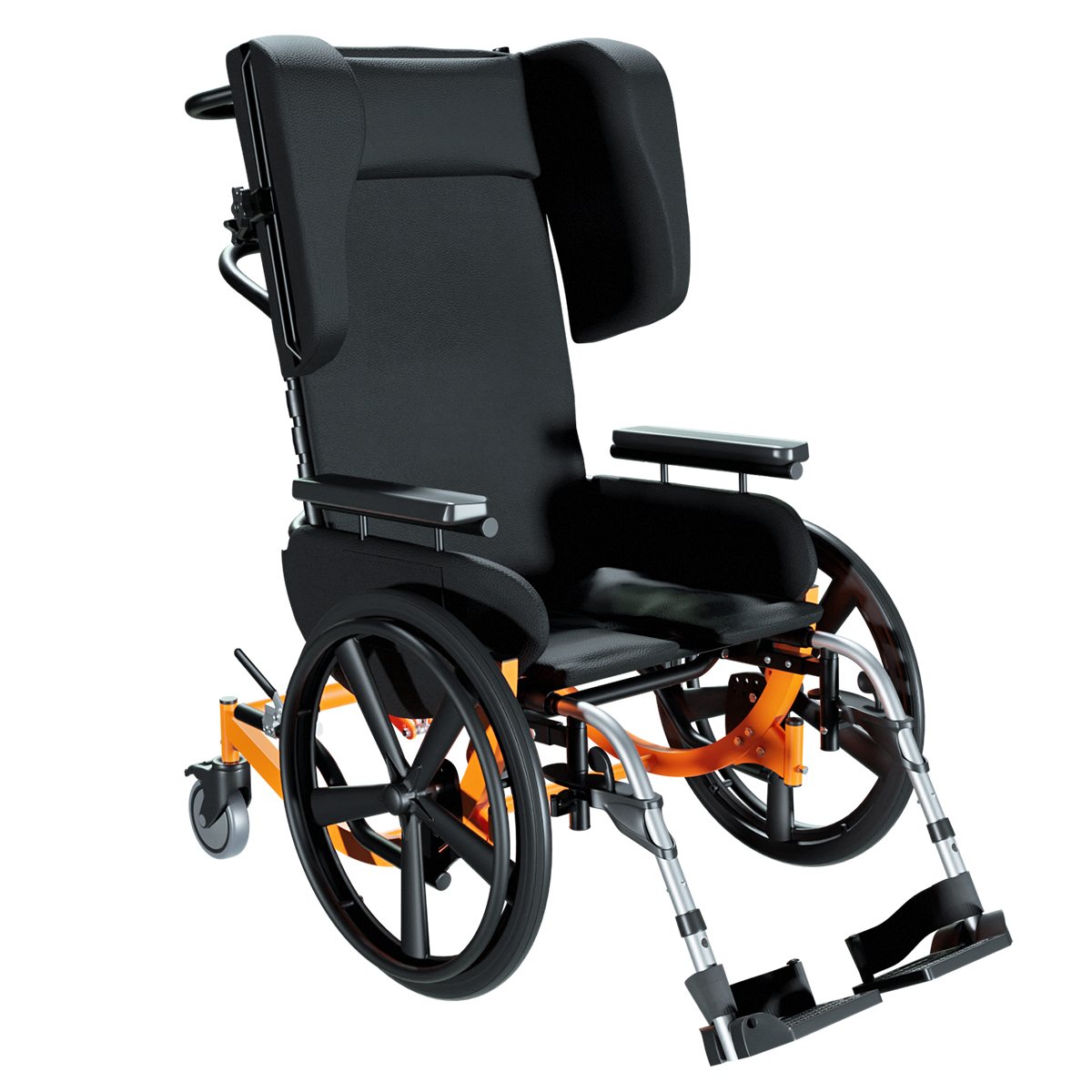
Broda Encore Pedal Wheelchair with Tilt & Rocking (48RV4)
From $3,194.94MSRP
For a person who still wants to get around alone. The Encore's seat can drop to 12.5 inches for pushing with the feet, and its tilt adds rest breaks. Check with his doctor about his feet before choosing any pedal chair.
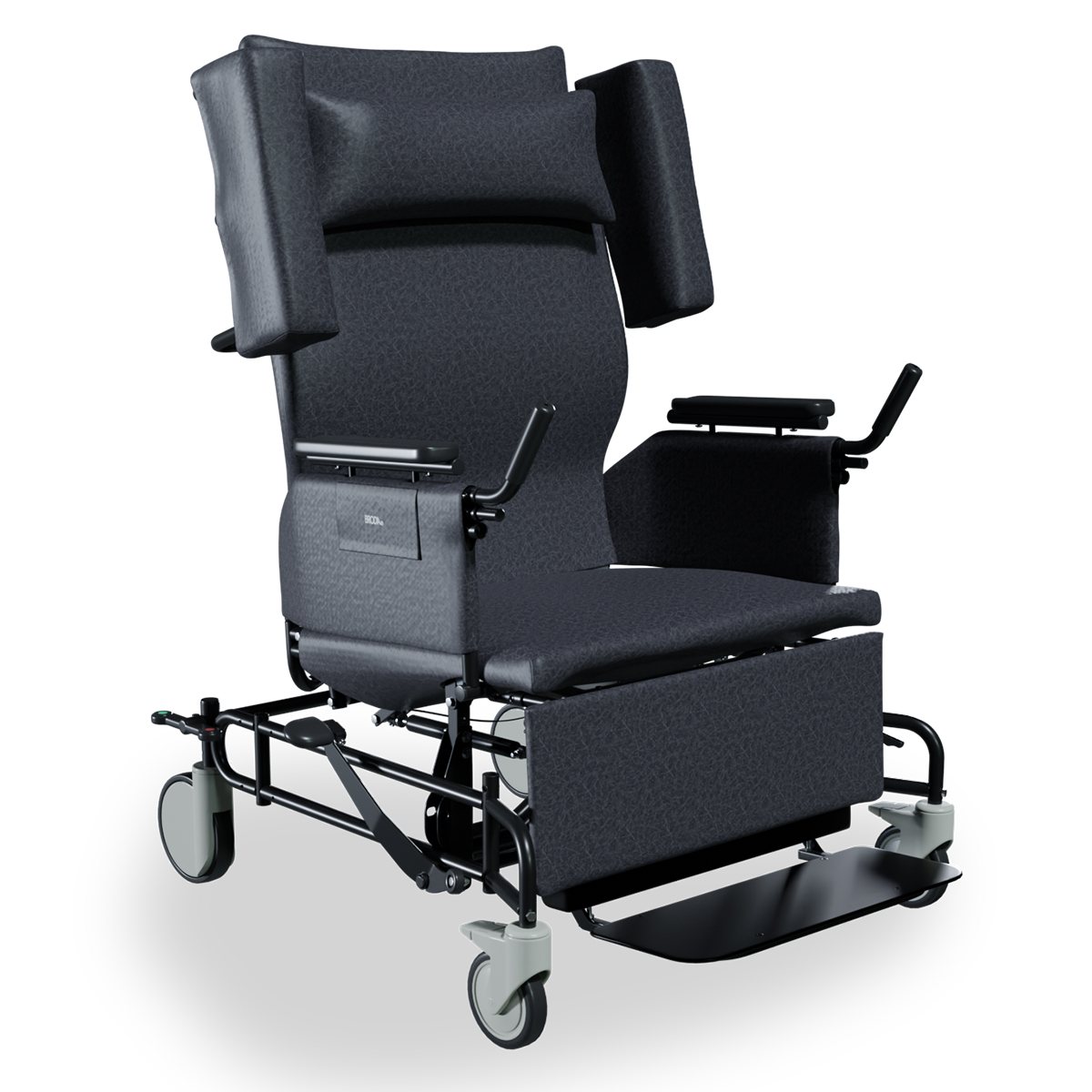
Broda Vanguard Bariatric Wheelchair with Tilt & Recline (985)
From $7,764.62MSRP
For a larger frame. Broda designs the Vanguard for users up to 600 pounds, with seat widths from 24 to 30 inches. It tilts 30 degrees and reclines 45, and a foot-pump seat helps caregivers with handling.
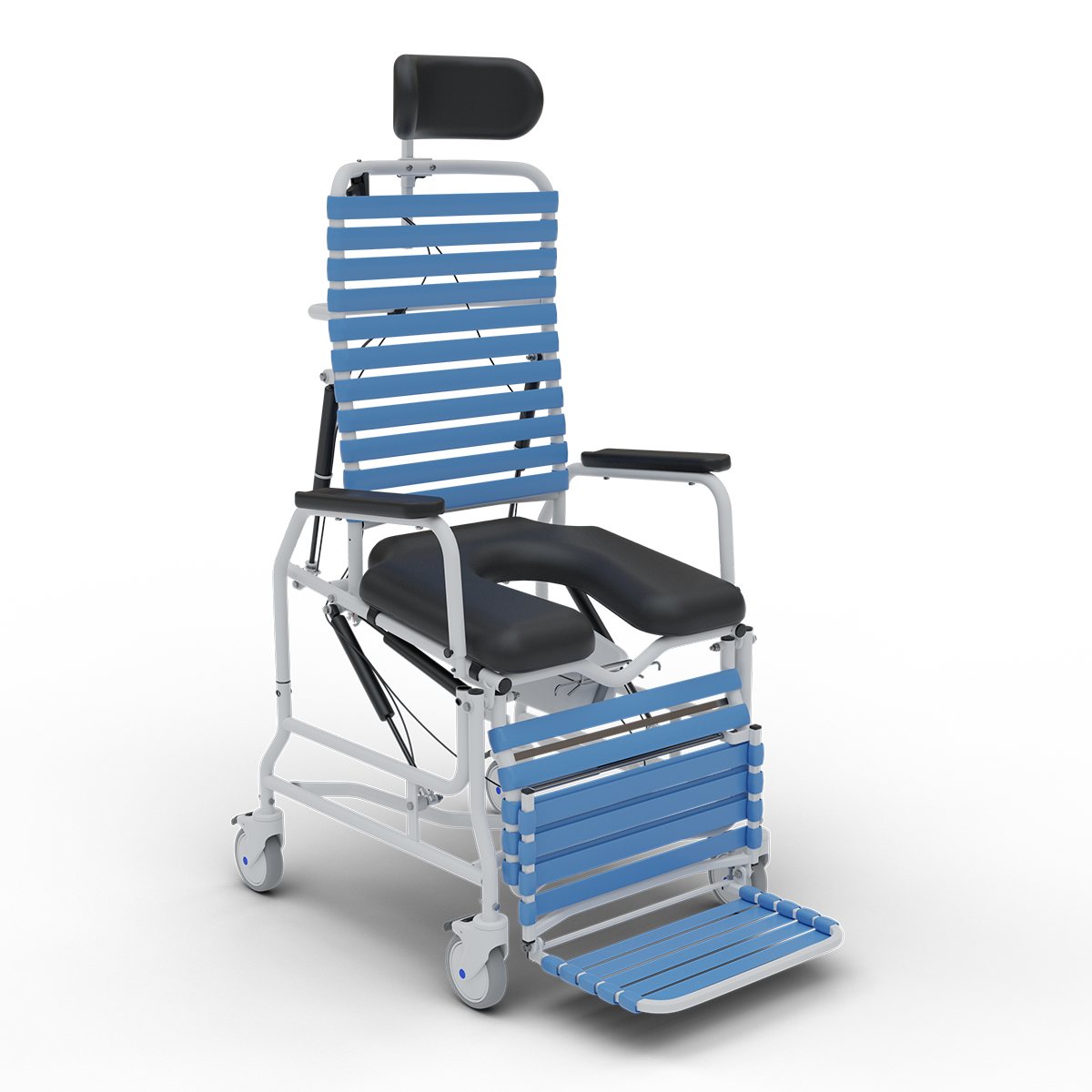
Broda Revive Shower Commode with Tilt & Recline (CS385)
From $3,878.62MSRP
Daily skin and foot checks go better with good access. The Revive reclines and has a full leg rest, so a caregiver can wash and look over his legs and feet with less bending. It holds up to 400 pounds.
His doctor or diabetes educator can point you to an occupational therapist or an assistive technology professional (ATP) for a seating assessment. Because he may not feel pressure well, ask them to check where his weight lands on the seat and whether a pressure-mapping test is offered. Measure him in the shoes he wears every day. Weight can change, so recheck seat width if he gains or loses a noticeable amount. Look at his skin after the first few long days in the new chair.
Call or send a quote request. Tell us the person's height, weight and diagnosis, and where the chair will be used.
Confirm the model with their therapist or ATP. We send a written quote that lists the exact model, size and options.
We order direct from Broda. The chair ships to any US address. In Arizona, our own crew can deliver it, set it up and fit it.
Paying for the chair
Many families pay privately. Insurance or a public program may help when a doctor, therapist or ATP documents why the person needs the chair. Whether it is covered depends on the plan. Our written quote lists the exact model and options, so it can go straight into that paperwork. Facilities, care organizations and multi-unit buyers can ask us about partner pricing.
Questions families ask about diabetes
What kind of wheelchair seat is best for someone with diabetes?
There is no single answer, because it depends on skin history, body shape and how long he sits. A therapist or ATP should make the call. Broda chairs use Comfort Tension Seating, a set of tensioned straps designed to spread weight and allow airflow. Ask whether a separate cushion is needed with the model you choose.
Can a person with diabetic neuropathy use a pedal wheelchair?
Some can, and some should not. Pushing with the feet keeps them in steady contact with the floor, which may be a concern if feeling is reduced or there are open sores. His doctor or podiatrist should weigh in first. If pedaling is ruled out, a tilt chair that a caregiver pushes is a common alternative.
How do I know if my father's wheelchair fits him correctly?
Check after he has sat for a while. His hips should sit at the back of the seat, his feet should be supported, and his arms should rest without his shoulders hiking up. A gap of about two fingers behind the knee is a common seat depth guide. Red marks that last after he gets up are worth mentioning to his care team.
This guide is general product information, not medical advice. Chair features are described as Broda designs them. Choose seating together with the person's doctor, therapist or ATP.
Call with the person's diagnosis, height and weight, and where they will sit most of the day. We will tell you which Broda chairs fit and send a written quote.