Cerebral palsy seating has to support tight or unpredictable muscles and keep up with a growing or aging body. Positioning chairs with tilt, recline and adjustable supports usually fit best.
ADL Solutions, direct Broda Seating reseller. Published .
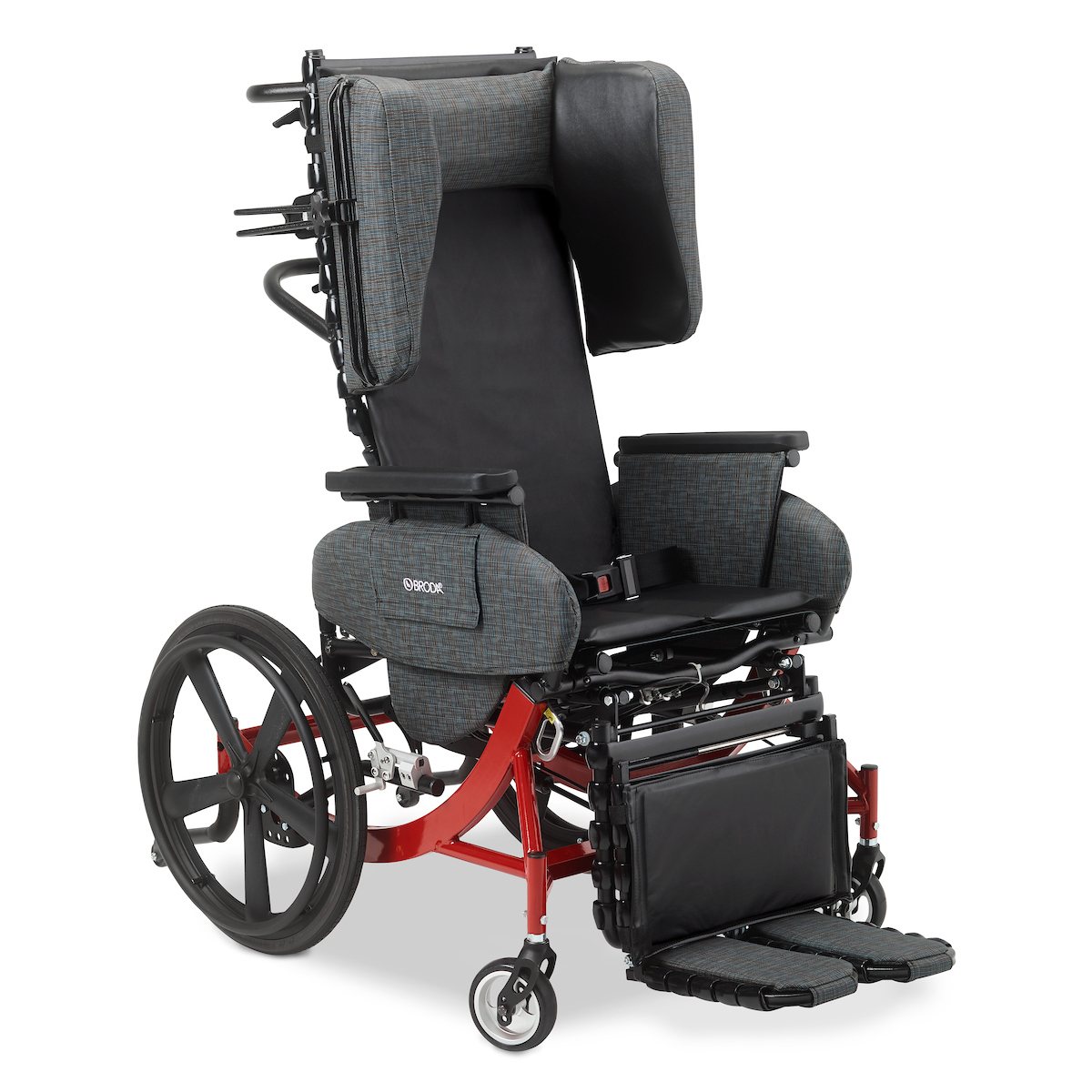
Broda Synthesis Positioning Wheelchair with Tilt & Recline (V4)
What matters in a chair for cerebral palsy
Support for tight or moving muscles
Cerebral palsy often brings stiff muscles (spasticity), sudden movements the person cannot control, or both. A chair has to hold your child's hips and trunk in a good position without fighting those movements. Supports for the arms, legs and shoulders adjust, so a therapist can set the chair around your child's shape, and a seat made of tensioned straps shapes itself to the body.
A body that changes with time
The brain injury behind cerebral palsy does not get worse, but the body around it keeps changing. Children grow. Adults can develop hip problems, a curving spine or new joint pain as they age. Pick a frame that adjusts, and plan for regular seating checks. A chair that fits your daughter at twelve may need new settings by fifteen.
A second place to sit
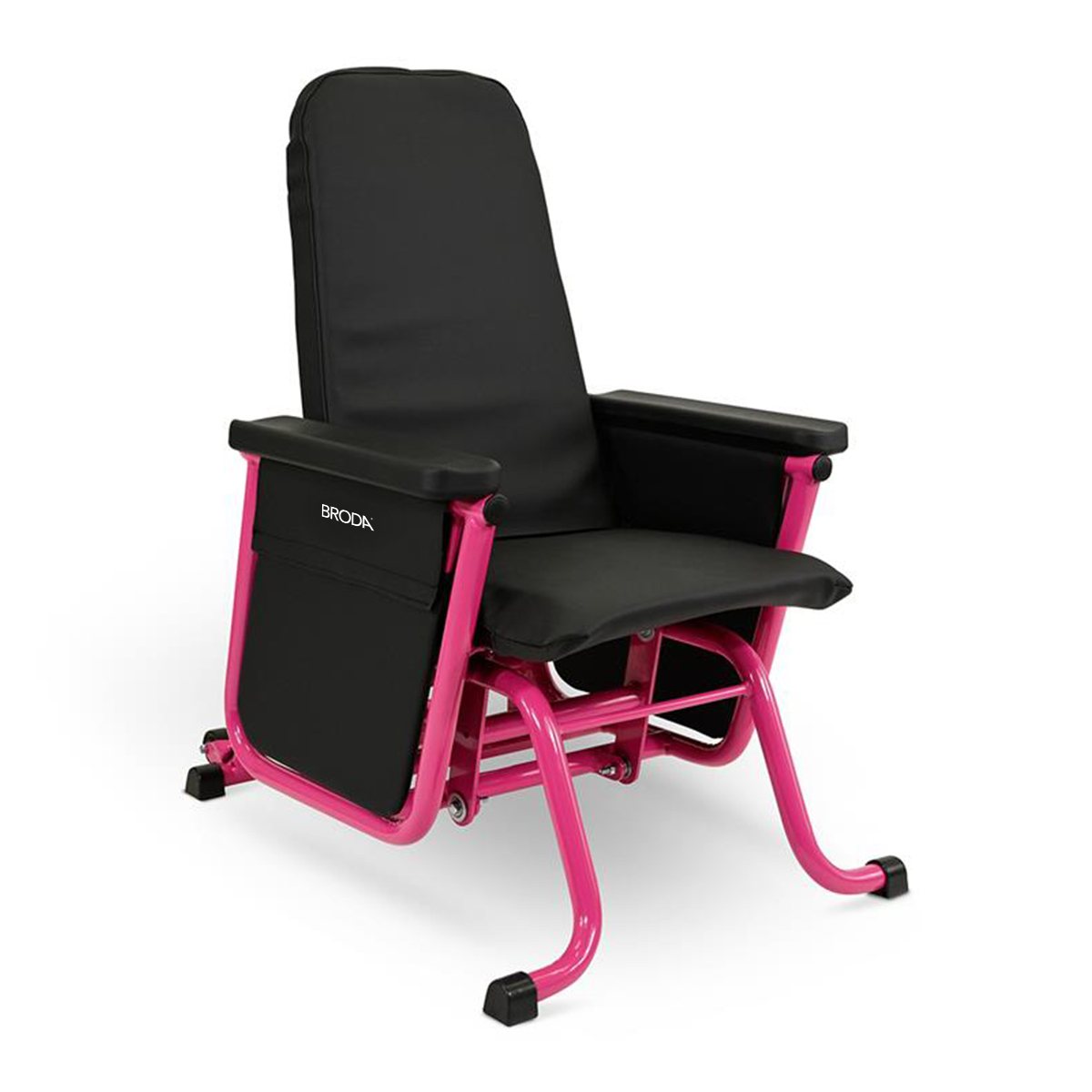
Sitting in one position all day is hard on anyone, and a change of seat can be a welcome break. A glider gives your child somewhere different to sit, with a smooth motion Broda designs to settle restless or agitated users. The pediatric Aspire glider comes in seat widths from 12 to 16 inches, so a younger child is not lost in an adult frame.
Broda chairs to consider for cerebral palsy
Prices are Broda's MSRP for the base chair. Size, options and accessories change the final price.
Broda Synthesis Positioning Wheelchair with Tilt & Recline (V4)
From $4,506.40MSRP
For full support of hips, trunk and head. The Synthesis lets a caregiver change your child's position through the day with tilt up to 40 degrees and recline up to 90. Seat widths start at 16 inches, which suits older children and adults.
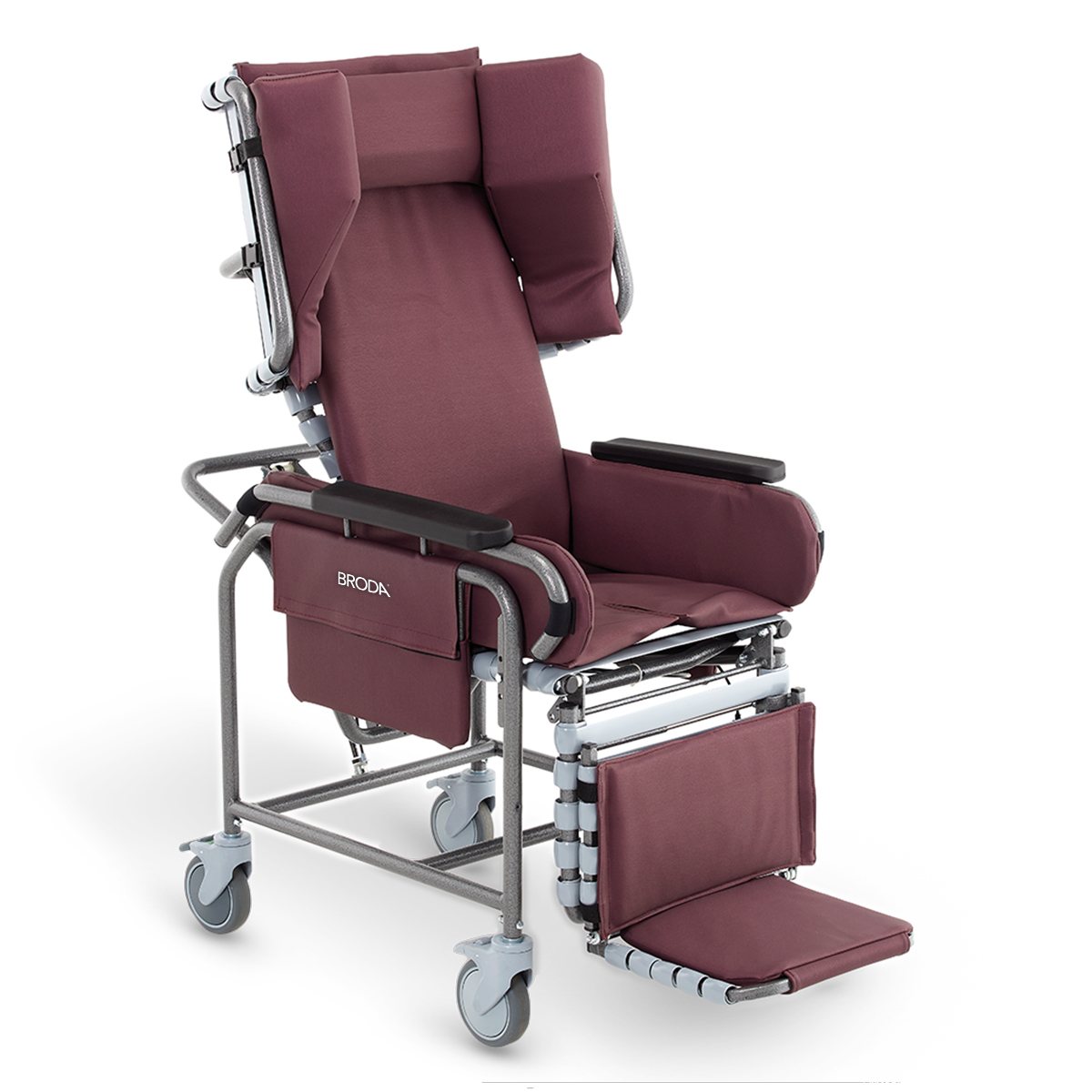
Broda Centric Positioning Wheelchair with Tilt & Recline (30VT)
From $3,428.63MSRP
Built around posture, with padding on every side, shoulder bolsters and removable upper lateral supports (side pads at chest height). Broda designs those pads to help with leaning to one side and slumping. It tilts 25 degrees and reclines 45.
A calmer seat for younger children. Seat widths run 12 to 16 inches, and a caregiver lock turns the glide off when your child climbs in or out. It is rated for up to 200 pounds.
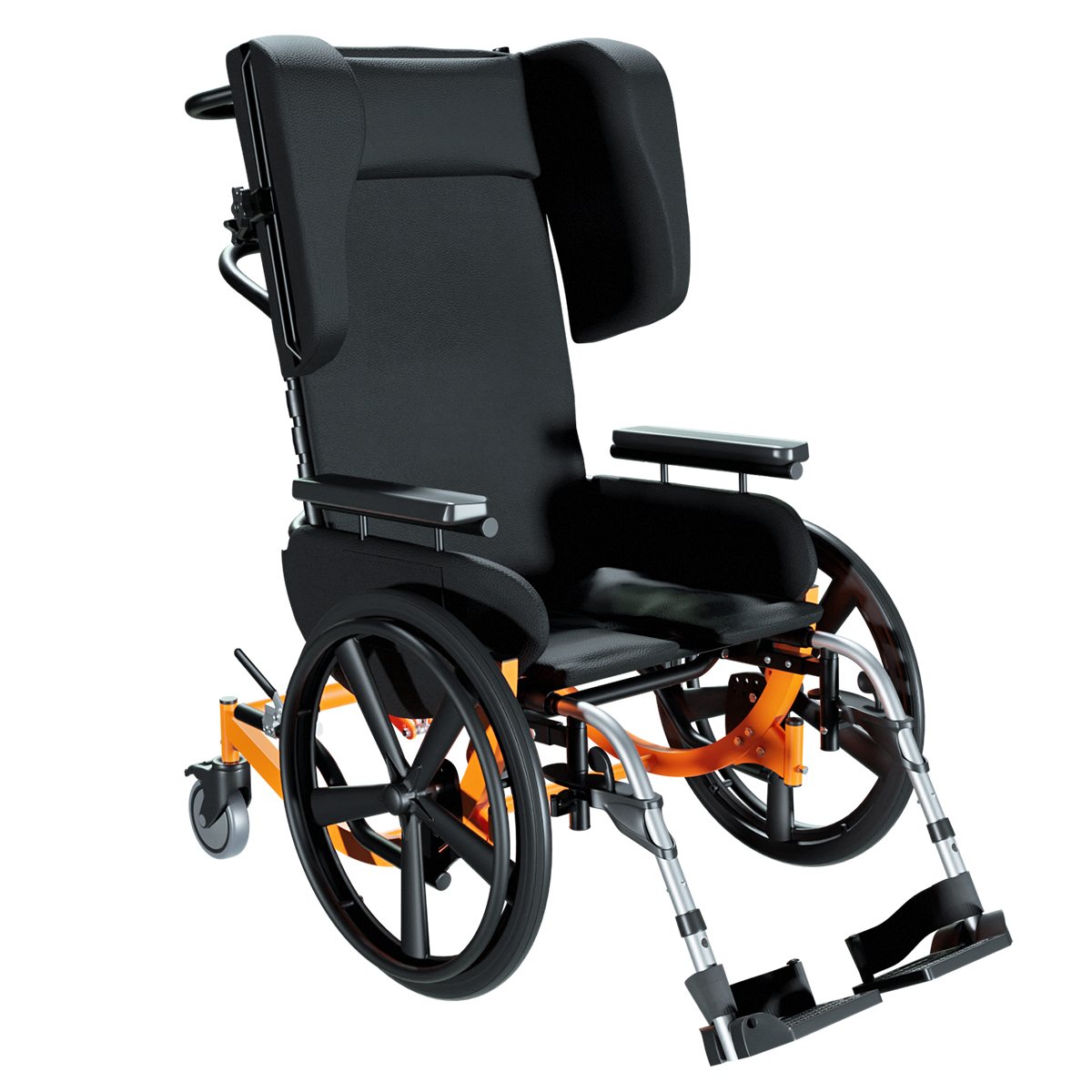
Broda Encore Pedal Wheelchair with Tilt & Rocking (48RV4)
From $3,194.94MSRP
For a teen or adult who can push with their feet. The Encore's seat can be set at 12.5 inches, so the feet touch down, and Broda adds tilt plus optional rocking.
Seating for cerebral palsy is detailed work. Ask your child's physical or occupational therapist to work with an ATP, a seating specialist certified in assistive technology, on the assessment. They will look at hip position, spine shape and muscle tone. They will also watch how your child moves when excited or upset. Measure seat width and depth with any braces or bulky clothing your child wears. Children need a recheck as they grow. Adults should be rechecked when pain, posture or daily routine changes.
Call or send a quote request. Tell us the person's height, weight and diagnosis, and where the chair will be used.
Confirm the model with their therapist or ATP. We send a written quote that lists the exact model, size and options.
We order direct from Broda. The chair ships to any US address. In Arizona, our own crew can deliver it, set it up and fit it.
Paying for the chair
Many families pay privately. Insurance or a public program may help when a doctor, therapist or ATP documents why the person needs the chair. Whether it is covered depends on the plan. Our written quote lists the exact model and options, so it can go straight into that paperwork. Facilities, care organizations and multi-unit buyers can ask us about partner pricing.
Questions families ask about cerebral palsy
What size wheelchair does a child with cerebral palsy need?
Seat width and depth come from measuring your child, not from age. A therapist or ATP will measure hips, thighs and back height while your child sits supported. Broda's pediatric Aspire glider starts at a 12-inch seat width, and the positioning chairs start at 16 inches, which often suits older kids and teens.
Is tilt or recline better for cerebral palsy?
They do different jobs. Tilt tips the whole seat back while keeping the hip and knee angles the same, which helps hold position. Recline opens the angle between seat and back, which some people find restful but which can lead to sliding when muscles are tight. Many positioning chairs offer both, and a therapist can advise when to use each.
Does my child need a wheelchair if they can walk with a walker?
Not always full time. Some children and adults with cerebral palsy walk short distances and use a chair for long outings, school days or when they are worn out. Your child's therapist can help decide. A chair that adjusts can handle part-time use now and give more support later if needed.
This guide is general product information, not medical advice. Chair features are described as Broda designs them. Choose seating together with the person's doctor, therapist or ATP.
Call with the person's diagnosis, height and weight, and where they will sit most of the day. We will tell you which Broda chairs fit and send a written quote.